What to Wear and Pack for Your Visit
We've put together a practical checklist that covers footwear, weather protection, and the few essentials you shouldn't leave home without.

Getting Ready for Your Visit
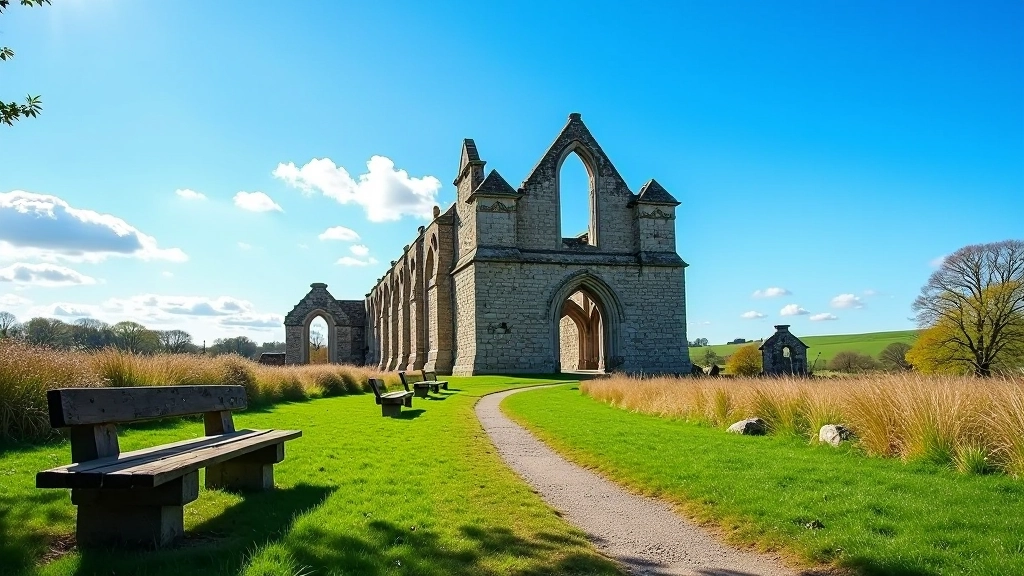
You're planning to walk the grounds at Rock of Cashel and explore the Hore Abbey meadows. That's brilliant. But what you wear makes a real difference — and not just for comfort. The cathedral close sits on elevated terrain with exposure to the elements, and the pathways aren't all paved. We've watched hundreds of visitors navigate these spaces, and we've learned what actually works.
This guide focuses on practical choices. We're not going to suggest expensive specialist gear you'll never use again. Instead, you'll find straightforward advice about the one piece of footwear that matters most, layers that make sense for Irish weather, and a short list of things you genuinely need to bring along.
Footwear — The Most Important Decision
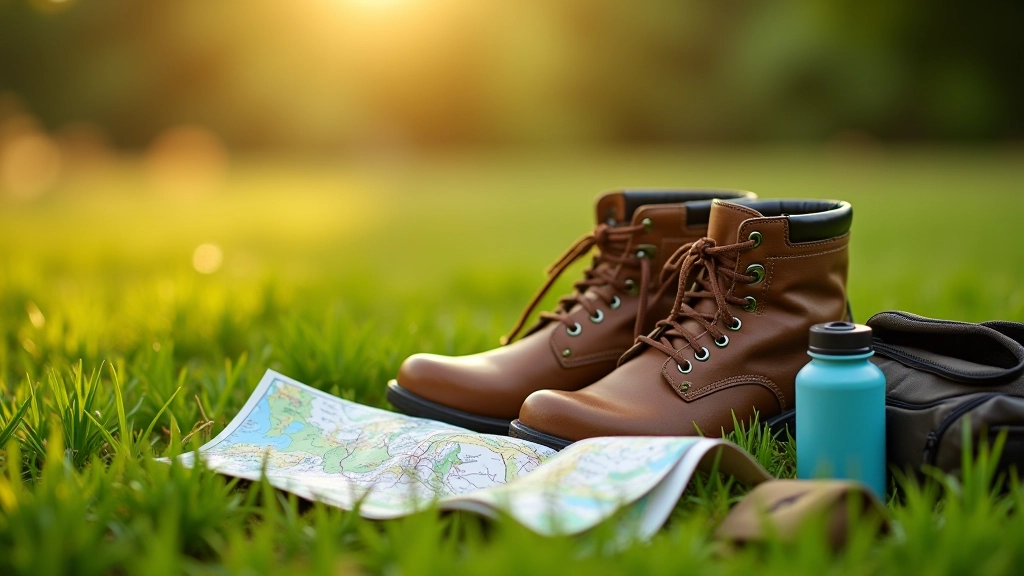
Your shoes make or break this experience. The grounds aren't a flat loop. You'll encounter uneven grass, gravel paths, and stone surfaces — some of them worn smooth by centuries of footsteps. If you're wearing shoes without grip, you're taking an unnecessary risk.
A proper walking boot or trail shoe with ankle support is what you need. Not a formal shoe. Not a trainer designed for the gym. Something with genuine traction, a reinforced heel, and enough structure to support your ankle on sloped ground. Merrell, Salomon, and Scarpa all make solid options in the €80–€140 range. Waterproofing is worth the extra cost — Irish weather doesn't wait for convenient moments.
Break in whatever you choose before you visit. New boots cause blisters. A pair you've worn for a few weeks? That's your foundation. And bring two pairs of socks — good hiking socks with cushioning, not cotton.
Layers — Your Defence Against Irish Weather
You'll want three layers. First, a base layer — merino wool or a synthetic blend that won't feel clammy if you perspire. Cotton's a trap; it holds moisture and cools you down. Second, a mid-layer for insulation. A fleece or lightweight wool jumper works fine. Third, a waterproof outer layer that doesn't need to be fancy, just functional.
The thing about Irish weather is it doesn't commit to anything. You might start in morning drizzle, hit sunshine by noon, and face wind by mid-afternoon. All three can happen in a single visit. That's why layers matter — you can add or remove them without needing to turn back.
Bring the waterproof jacket even if the forecast looks perfect. It weighs almost nothing in a rucksack, and you'll genuinely need it. We're not being dramatic — we've seen visitors caught out by sudden showers, and they're not happy.
About this guide: This is practical, educational information based on years of observing visitors at these sites. It's not a substitute for your own judgment or medical advice. Every person's mobility, fitness, and comfort needs are different. If you have health concerns or mobility limitations, speak with your doctor before planning your visit. Weather conditions change — always check the forecast on the day you're visiting and adjust your plans accordingly.
What to Pack — The Real Essentials
Don't overcomplicate this. You need a small rucksack — something that fits comfortably on both shoulders and doesn't bounce around. 20 litres is plenty. Inside, you're carrying water (at least 1.5 litres — the sites don't have many fountains), a light snack or energy bar, and a basic first aid kit with plasters for blisters.
Nice to Have — But Not Essential
A pair of binoculars is genuinely worth bringing if you're interested in birds. The abbey ruins attract kestrels and jackdaws, and they're worth seeing properly. A lightweight walking pole (or two) takes pressure off your knees on the descent — that's particularly useful if you've got any joint concerns. And a small notebook? You'll find yourself wanting to jot down details about the architecture or the history you're learning as you walk.
A portable speaker? No. Headphones? Not ideal — you'll want to hear the wind, the birds, and the space itself. The point of being here is to experience the place, not to soundtrack it.
One thing that doesn't cost much but makes a real difference: a small towel or buff. Dries sweat from your forehead, keeps sun off the back of your neck, and wipes damp hands. That's it. Simple, practical, and genuinely useful.
Ready to Walk
Get your boots sorted. Layer properly. Pack water and a snack. That's honestly all you need. Everything else flows from those basics. You're not climbing Everest — you're exploring a remarkable piece of Irish heritage on foot. The right gear makes that experience comfortable, safe, and genuinely enjoyable.
The cathedral close and the meadows at Hore Abbey deserve your full attention. Don't let uncomfortable shoes or inadequate clothing distract from that. Spend your energy on what you're seeing, not on dealing with preventable discomfort. That's what this guide is really about.