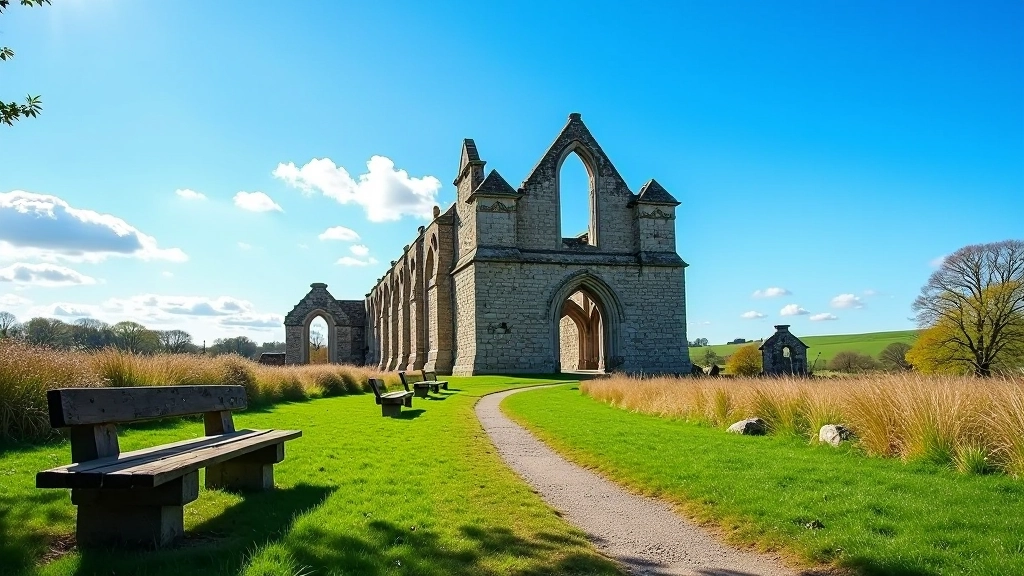
When to Visit for the Best Experience
The grounds change throughout the year. Here's what you'll encounter in each season and why spring and autumn tend to be the most enjoyable times for seniors.

Understanding the Seasonal Rhythm
The Rock of Cashel isn't the same place twice. Spring brings wildflowers and softer light. Summer gets crowded with tour groups. Autumn offers cool breezes and fewer visitors. Winter turns the grounds quiet and contemplative.
We've walked these paths in every season over the past 14 years. What we've learned is simple: timing matters. Not because any season is "wrong" — each has its own character. But if you're planning a senior visit, some seasons work better than others.
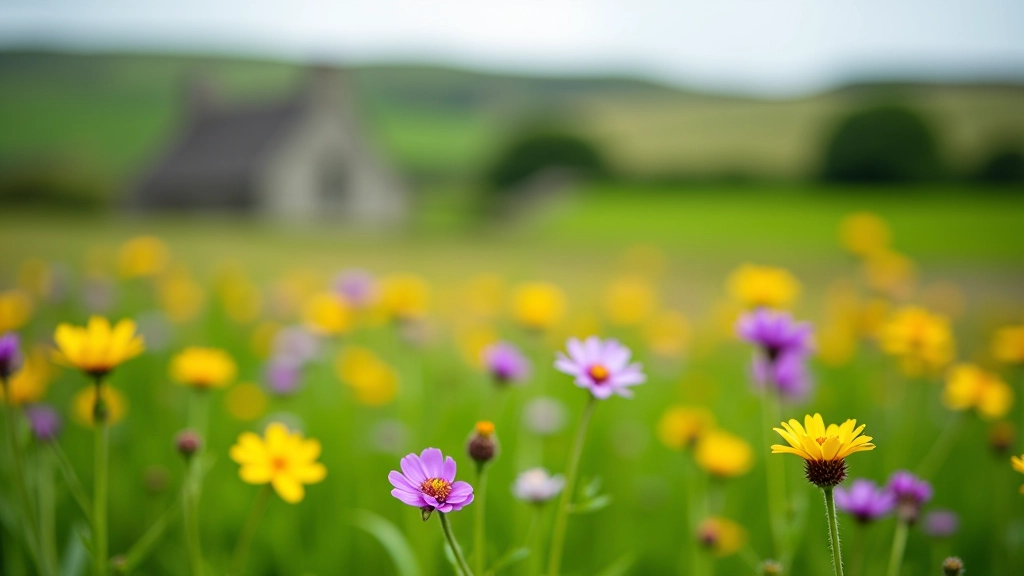
Spring (March–May): New Growth and Manageable Crowds
Spring is when most visitors choose to come. The meadows burst with wildflowers — primrose, bluebells, and cowslips carpet the ground. The light stays longer into the evening, which means you're not rushing against darkness.
Temperatures hover around 50-55°F. You'll want a light jacket and layers because mornings are cool but afternoons warm up. The paths dry out after winter, which is crucial for stable footing. Easter holidays do bring families, so mid-week visits tend to be quieter than weekends.
- Wildflower peak: Late April through May
- Average temp: 50-55°F (10-13°C)
- Best day: Tuesday or Wednesday
- Expect: Moderate crowds, excellent visibility
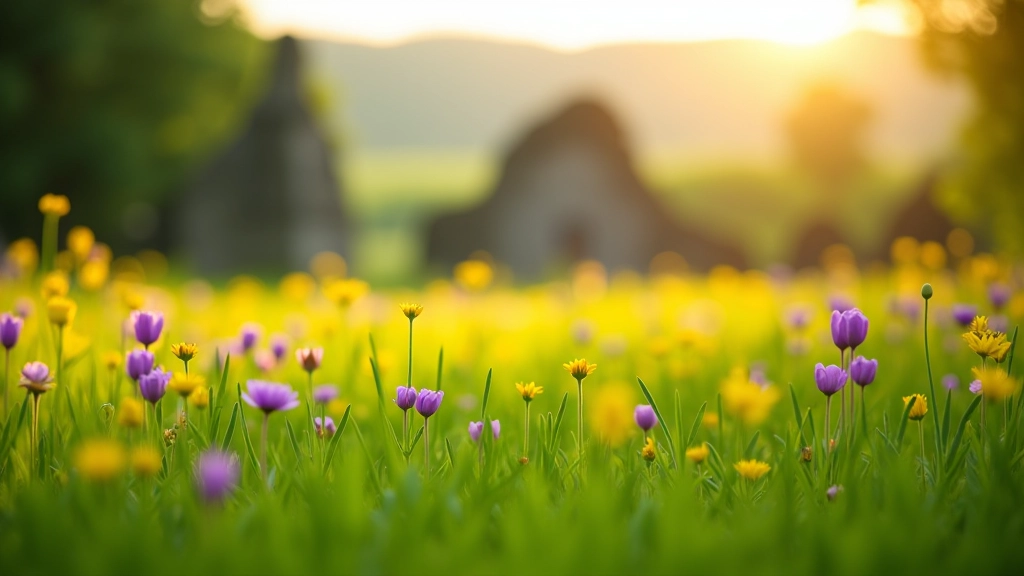
Summer (June–August): Sunshine and Summer Traffic
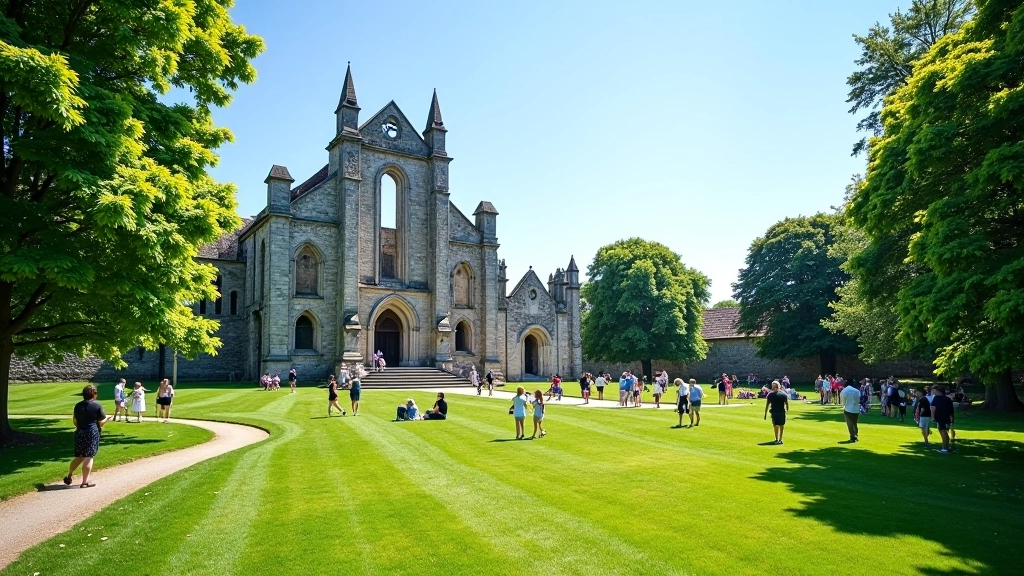
Summer is beautiful but comes with a trade-off. Days stretch long — sunset doesn't happen until nearly 9 PM — so you've got plenty of daylight. The weather is reliable, usually 60-70°F, and the sun feels warm on your face. Wildflowers have finished blooming, but the grass is lush and the stone structures photograph beautifully.
The downside? Summer's peak season. July and August bring tour coaches, school groups, and families. You'll be navigating crowds, especially on weekends. Early morning visits — before 9 AM — give you a quiet hour before the buses arrive. Evening visits work too if you don't mind visiting after 6 PM.
Pro tip: If you're visiting in summer, arrive by 8:30 AM or wait until after 6 PM. The middle of the day gets hectic.
Note: This guide is informational and based on our observations from multiple visits. Weather patterns vary year to year, and crowd levels depend on local events, school holidays, and tourism trends. Always check current conditions before planning your visit, and consider contacting the Rock of Cashel directly for up-to-date details about access, facilities, and any seasonal closures.
Autumn (September–October): Golden Light and Peaceful Grounds
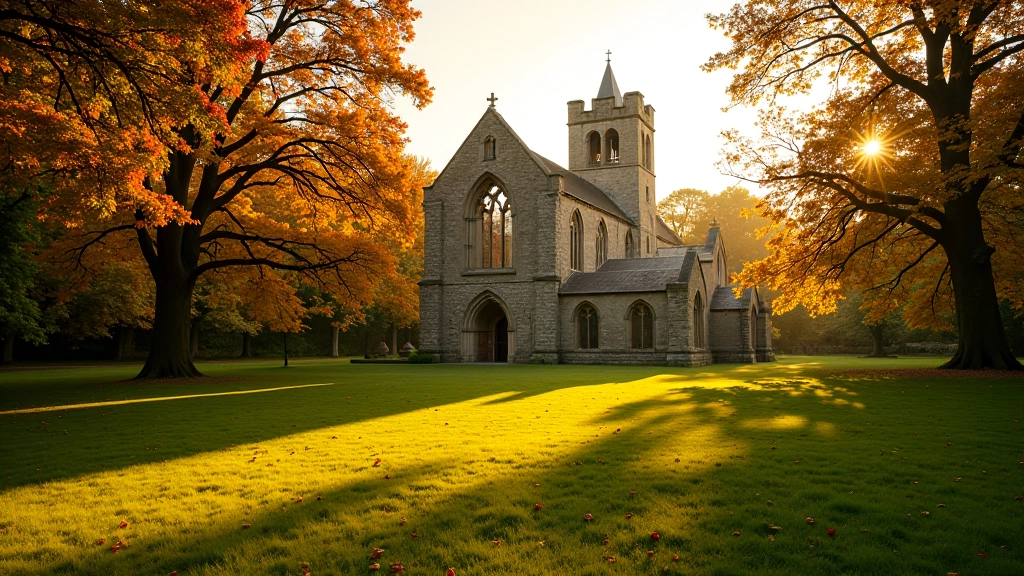
Autumn is our favorite season for visitors who want a quieter experience. The summer tourists have returned home, schools are back in session, and the grounds feel peaceful again. You'll encounter maybe 10% of the summer crowds. The light takes on that golden quality photographers love — soft, warm, and rich in color. Stone glows. Shadows deepen. It's genuinely beautiful.
Temperatures drop to 50-60°F, perfect for walking without overheating. The leaves on surrounding trees turn russet and gold. Early September still has some wildflowers. By late October, the grass is shorter and the meadows are quieter. This is when you can actually hear yourself think and appreciate the acoustic quality of the cathedral's stone.
- Ideal weather: 50-60°F (10-15°C)
- Crowd level: Minimal to light
- Light quality: Golden hour feel all afternoon
- Best weeks: Mid-September through late October
Winter (November–February): Solitude and Stark Beauty
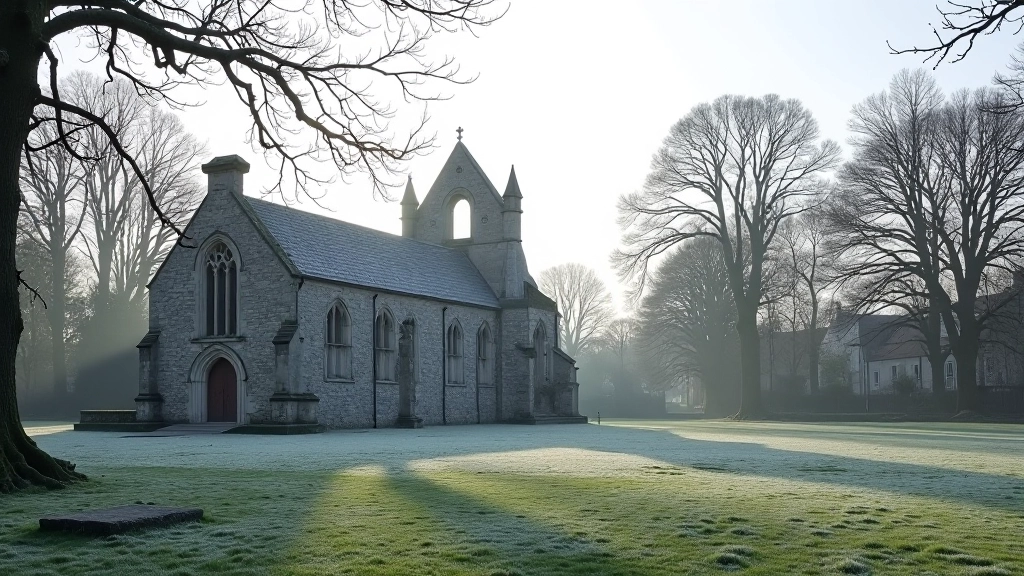
Winter transforms the site into something almost monastic. Temperatures sit around 40-45°F, and daylight ends by 4:30 PM. The meadows lose their green and turn to rust-colored dormant grass. Trees are bare. It's quiet — genuinely quiet. You might see five other visitors in an entire afternoon.
The trade-off is practical: wet ground, shorter days, and cold that can be punishing if you're not properly dressed. Paths can be slippery. You'll need waterproof walking boots and a proper coat. But if you can manage the weather, winter offers something special — the stone structures feel more imposing without vegetation softening them, and the light has a crystalline quality on clear days.
December brings holiday visitors, but numbers stay manageable. January and February are the quietest months of the year.
The Bottom Line: Choosing Your Season
Want Wildflowers?
Visit late April through May. Spring is peak bloom season, and the meadows are spectacular. Expect moderate crowds and pleasant temperatures.
Prefer Quiet?
September through early October is your window. Autumn brings golden light, peaceful grounds, and few tourists. The weather is stable and comfortable for walking.
Don't Mind Cold?
Winter offers maximum solitude. The site feels contemplative, and you'll have it largely to yourself. Just dress warmly and plan for short daylight hours.
Most seniors we've spoken with choose spring or autumn. Spring offers beauty and energy — the meadows are alive, the light is bright, and there's a sense of renewal. Autumn delivers something deeper: peace, golden light, and the kind of quiet where you can actually listen to the wind moving through the cathedral's stones.
There's no "wrong" season. But if you're planning a trip and flexibility matters, autumn gives you the best combination of good weather, manageable crowds, and that ineffable quality that makes a place feel sacred.